


From Grove to Liquid Gold: The Annual Cycle of Organic Olive Farming in Crete
Introduction
How is olive oil made?
Olive oil is made by harvesting olives, crushing them into a paste, and mechanically extracting the oil at low temperatures. In Crete, olives are typically picked by hand and pressed within hours, preserving their flavour, aroma, and natural compounds that define high-quality extra virgin olive oil.
Here is how this process unfolds across a full year in a traditional Cretan olive grove.
In Crete, olive trees are not simply cultivated—they are cared for, season after season, in a rhythm that has endured for generations.
From the quiet work of winter pruning to the early harvest of unripe green olives, every step shapes the character of the oil. Organic farming deepens this connection, relying on patience, observation, and respect for the land.
There are no shortcuts—only time, knowledge, and care.
This is the journey of olive oil across a single year in Crete.
Winter (January – February)
Pruning the Trees
 |
 |
After the harvest, the grove enters a period of renewal.
Pruning is one of the most important practices in olive cultivation. Each tree is carefully shaped to allow light and air to reach the inner branches—encouraging healthy growth and improving fruit quality.
In Crete, this is done with an intimate understanding of each tree, many of which have stood for decades, even centuries.
Early Spring (March-April)
Flowering & Fruit Set
Tiny white blossoms appear across the grove—delicate and fleeting.
These flowers mark the beginning of the olive fruit. Only a small percentage will develop into olives, making this a crucial stage in the year.
Weather conditions at this moment can significantly influence the eventual harvest.
It is a quiet turning point—where potential begins to take form.

|
Saharan dust settling over the grove during flowering season—one of nature’s many variables that shape each harvest. |
In Crete, seasonal winds can carry fine dust from the Sahara across the island. During these events, the air turns dense and amber, settling over the trees and their blossoms.
This year, two days of intense dust covered the grove. For a time, there was real concern that the delicate flowers might be smothered.
Fortunately, the dust was followed by gentle rain—washing the trees clean and allowing the blossoms to continue their development.
It is a reminder that olive farming is always shaped by nature.
The harvest begins not in certainty, but in resilience.
Mid Spring (April-May)
Nourishing the Soil Naturally
As spring arrives, life returns to the grove.
In organic farming, soil health is everything. Rather than synthetic fertilisers, many farmers rely on a natural cycle: sheep grazing among the trees.
They clear weeds while enriching the soil with natural manure—restoring nutrients in a way that is both sustainable and deeply traditional.
This harmony between animals, soil, and trees is central to the philosophy of organic cultivation.
Summer (July – August)
Irrigation & Care
Summer in Crete is long, dry, and intense. There is also a constant shortage of water on the island. We collect rainwater in large tanks which are stored on the groves, to preserve as much water for irrigation as we can.
Water storage tanks need to be relocated


Olive trees are naturally resilient, but careful irrigation supports balanced fruit development—especially in younger trees.
In organic groves, water is used sparingly and thoughtfully, respecting both the tree and the wider environment.
At the same time, farmers monitor the grove closely, responding to the subtle signals of the land.
Early Autumn (September – October)
Protecting the Crop Naturally
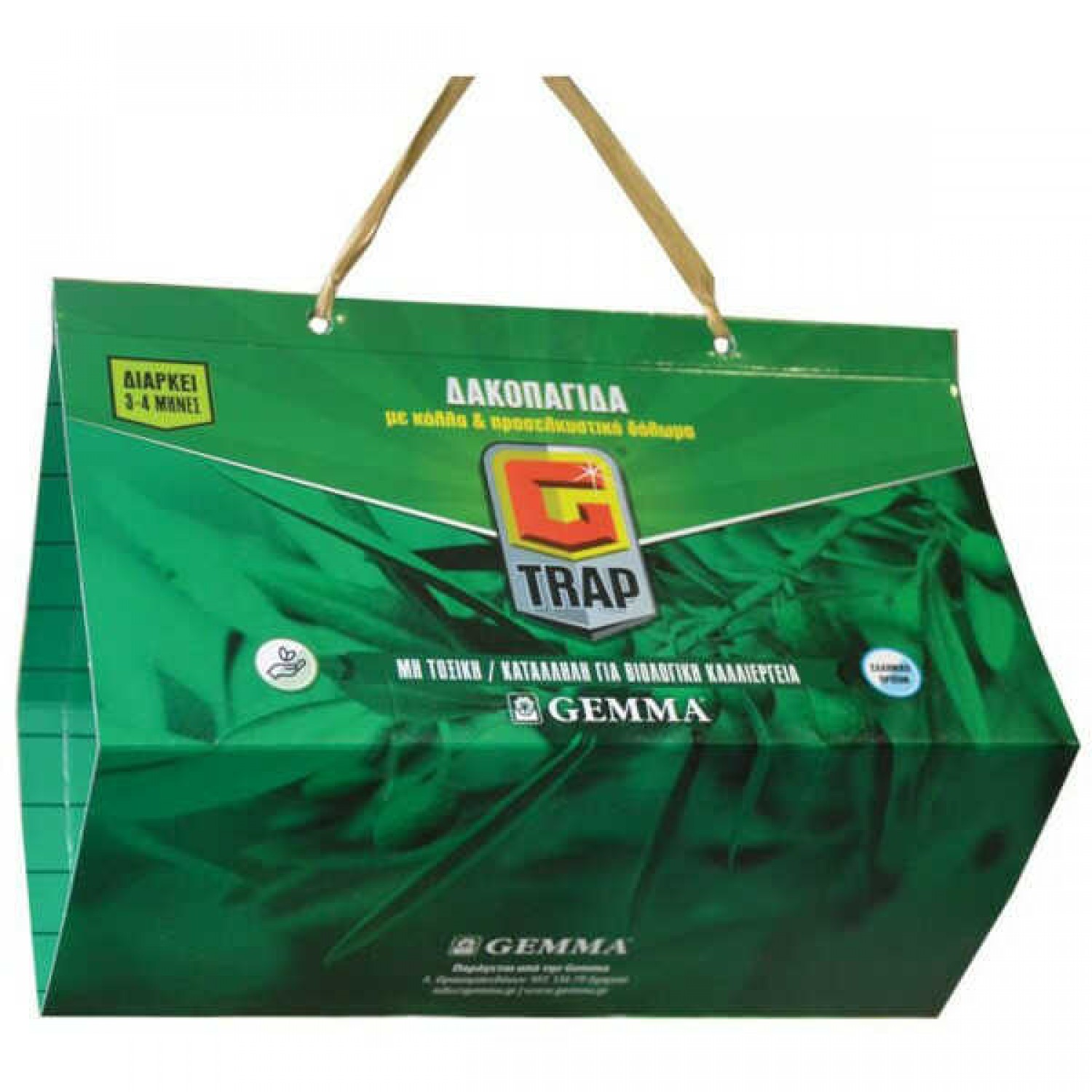
As the olives begin to mature, they must be protected.
The olive fruit fly is the primary natural threat. In organic farming, synthetic pesticides are not used. Instead, farmers use natural traps and monitoring techniques to control populations.
This approach preserves the ecological balance of the grove while safeguarding the quality of the fruit.
Autumn (October – November)
Harvest: The Defining Moment
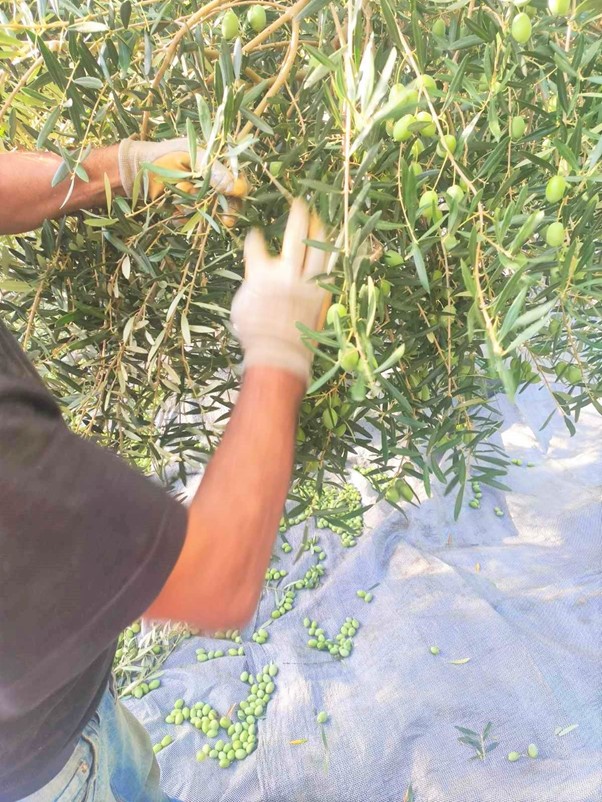
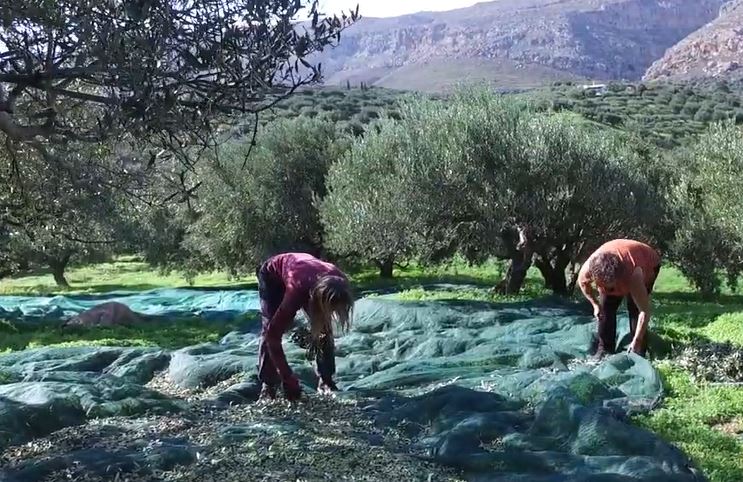
Harvest is where everything comes together.
For premium olive oil, timing is critical. Very early harvest olives (usually in October) —still green and unripe—produce lower yields but far higher levels of aroma, complexity, and beneficial compounds. November harvests are still early, but capture a larger proportion of fruits which are just turning black - this produces a more gourmet oil with slightly lower polyphenol levels than very early harvest oils.
In Crete, olives are often harvested by hand or with gentle mechanical tools, collected carefully on nets beneath the trees.
Every decision at this stage defines the final oil.
Same Day Processing
From Tree to Press


Once harvested, time becomes critical.
The olives are transported to the mill within hours, where they are cold-extracted using mechanical methods at low temperatures.
This preserves the oil’s natural flavour, aroma, and nutritional integrity.
It is here that olives become olive oil—vivid, green, and full of life.
 Conclusion
Exceptional olive oil is not created in a single moment—it is shaped over an entire year.
From winter pruning to early harvest, every step reflects a commitment to quality over quantity, and tradition over convenience.
This is what defines organic Cretan olive oil:
not just its taste, but the rhythm of the land from which it comes
Frequently Asked Questions About Olive Oil
How is olive oil made?
Olive oil is made by harvesting olives, crushing them into a paste, and mechanically extracting the oil at low temperatures. In Crete, olives are typically picked by hand and pressed within hours, preserving their flavour, aroma, and natural compounds.
What does “cold-extracted” olive oil mean?
Cold extraction means the oil is obtained without excessive heat, usually below 27°C. This preserves the olive oil’s natural flavour, aroma, and beneficial compounds, resulting in higher-quality extra virgin olive oil.
What is early harvest olive oil?
Early harvest olive oil is made from green, unripe olives picked at the beginning of the season. It produces lower yields but offers more intense flavour, a vibrant green colour, and naturally higher levels of polyphenols.
Why is organic olive oil important?
Organic olive oil is produced without synthetic pesticides or fertilisers. In Crete, this often includes traditional practices such as natural soil enrichment and careful ecosystem management, supporting both environmental sustainability and olive tree health.
Why are olives pressed quickly after harvest?
Olives begin to degrade soon after picking. Pressing them within hours helps preserve freshness, prevent oxidation, and maintain the oil’s flavour, aroma, and overall quality.
What makes Cretan olive oil special?
Cretan olive oil benefits from a unique combination of climate, soil, and tradition. Long sunshine hours, mineral-rich terrain, and generations of expertise contribute to oils known for their flavour, balance, and consistently high quality.
What are polyphenols in olive oil?
Polyphenols are natural compounds found in olives that contribute to the oil’s bitterness and peppery finish. They are associated with antioxidant activity and are typically higher in early harvest olive oils.
Why does olive oil taste bitter or peppery?
Bitterness and a peppery sensation are signs of fresh, high-quality extra virgin olive oil. These characteristics come from natural compounds in the olives and are especially pronounced in early harvest oils.
How do I choose a high-quality olive oil?
Look for extra virgin olive oil that is fresh, traceable, and ideally from a single origin. Harvest date, production methods, and flavour profile all matter. Oils that are cold-extracted and produced in small batches often offer the highest quality.
请留言